Interventional Cardiology Procedures
CVCA offers a range of minimally invasive interventional procedures to diagnose and treat congenital and acquired heart conditions in dogs and cats. Procedures typically involve a small puncture site or incision that allows specialized catheters and devices to be guided to the heart for targeted treatment.
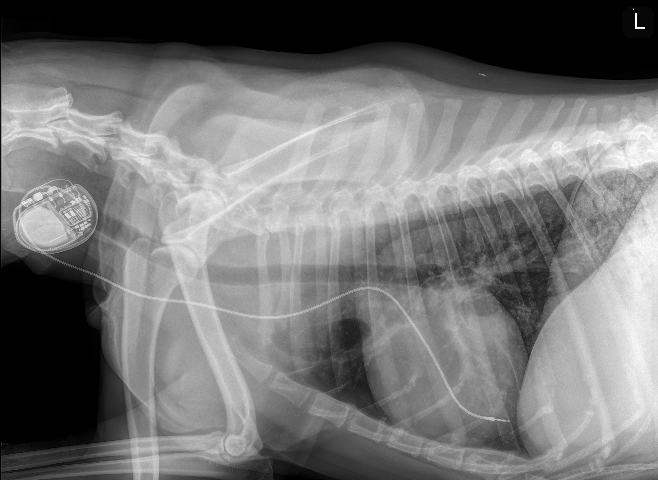
Pacemaker Implantation
Pacemaker implantation is used to treat pets whose hearts beat too slowly because of an abnormal electrical rhythm or underlying heart disease. During the procedure, a small pacing wire is guided through a vein into the heart and connected to a pacemaker placed beneath the skin. The device helps maintain a safe, reliable heart rate and can improve symptoms such as weakness, fainting, exercise intolerance, and low energy. Most pets recover quickly and can return to an excellent quality of life with routine pacemaker monitoring.
Performed at:
Richmond, VA — Dr. Ryan Pfeiffer
West Palm Beach, FL — Dr. Paulo Rivera-Otero
Hunt Valley, MD — Dr. Sarah Holdt and Dr. Richard Cober
Knightdale, NC — Dr. Dan Hogan
Wheat Ridge, CO — Dr. Amy Dixon Jimenez and Dr. Ashley Sharpe
Minimally Invasive PDA Occlusion
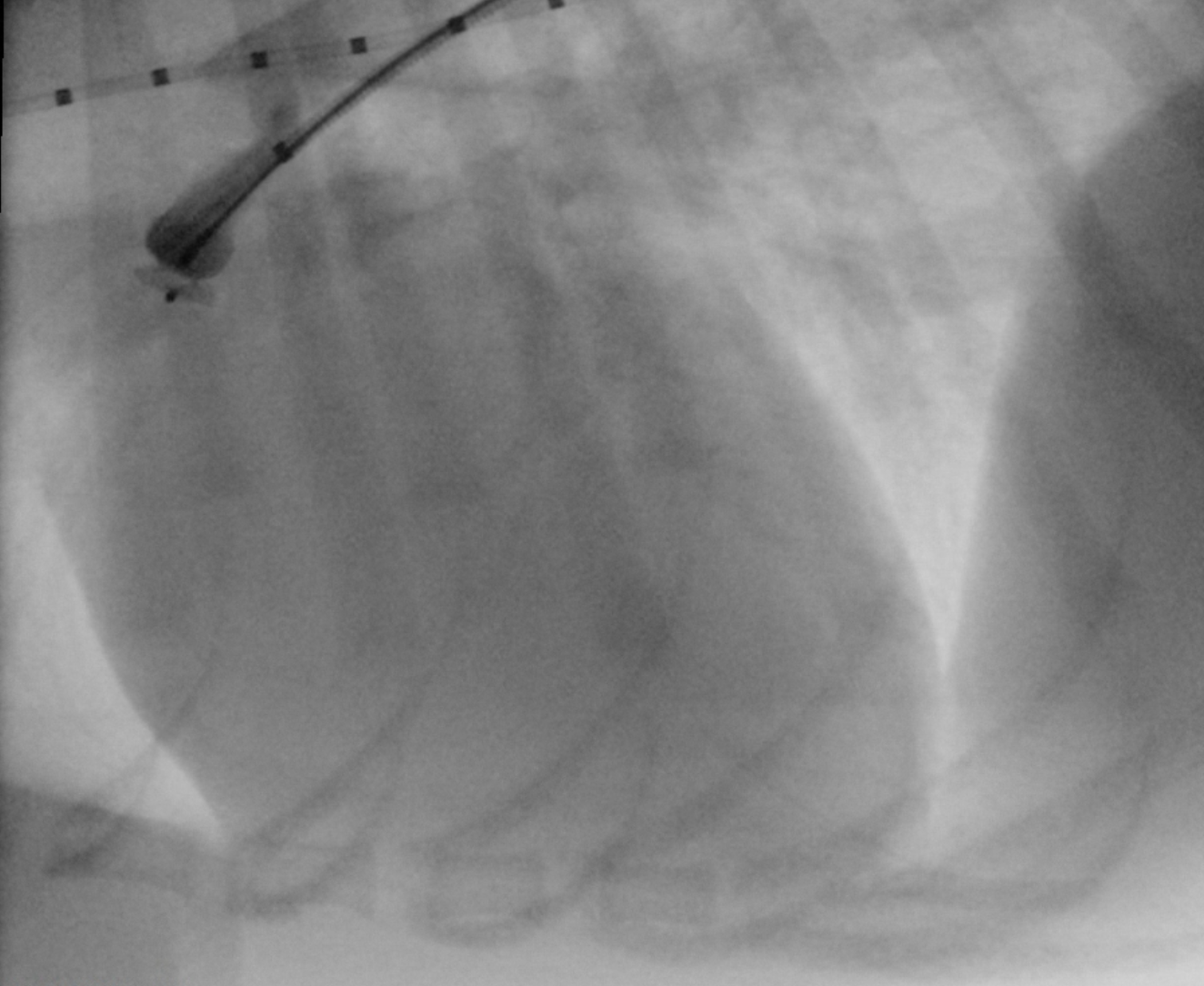
A patent ductus arteriosus (PDA) is a congenital heart defect in which an abnormal blood vessel allows blood to bypass the lungs, placing additional strain on the heart. During minimally invasive PDA occlusion, a small device is guided through a blood vessel in the leg and into the heart, where it is positioned to permanently close the abnormal vessel. Most pets go home within a day or two and can go on to live full, normal lives.
Performed at:
Richmond, VA — Dr. Ryan Pfeiffer
West Palm Beach, FL — Dr. Paulo Rivera-Otero
Hunt Valley, MD — Dr. Sarah Holdt and Dr. Richard Cober
Knightdale, NC — Dr. Dan Hogan
Wheat Ridge, CO — Dr. Amy Dixon Jimenez and Dr. Ashley Sharpe
While minimally invasive occlusions of a PDA is performed by CVCA teams, in the less common circumstance that surgical ligation is recommended we will work with local veterinary surgeons to facilitate a surgical treatment
Left Atrial Decompression (LAD)
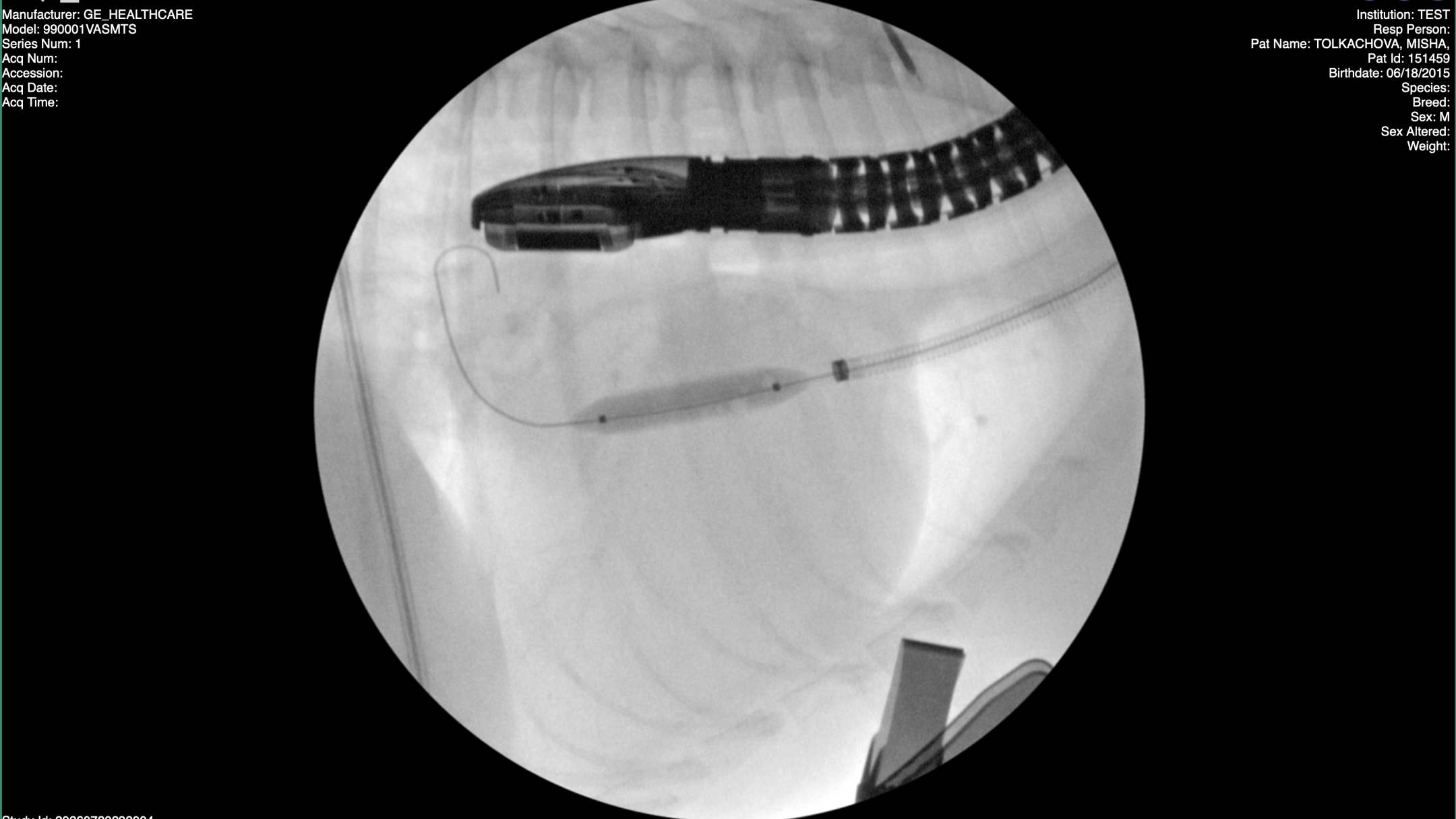
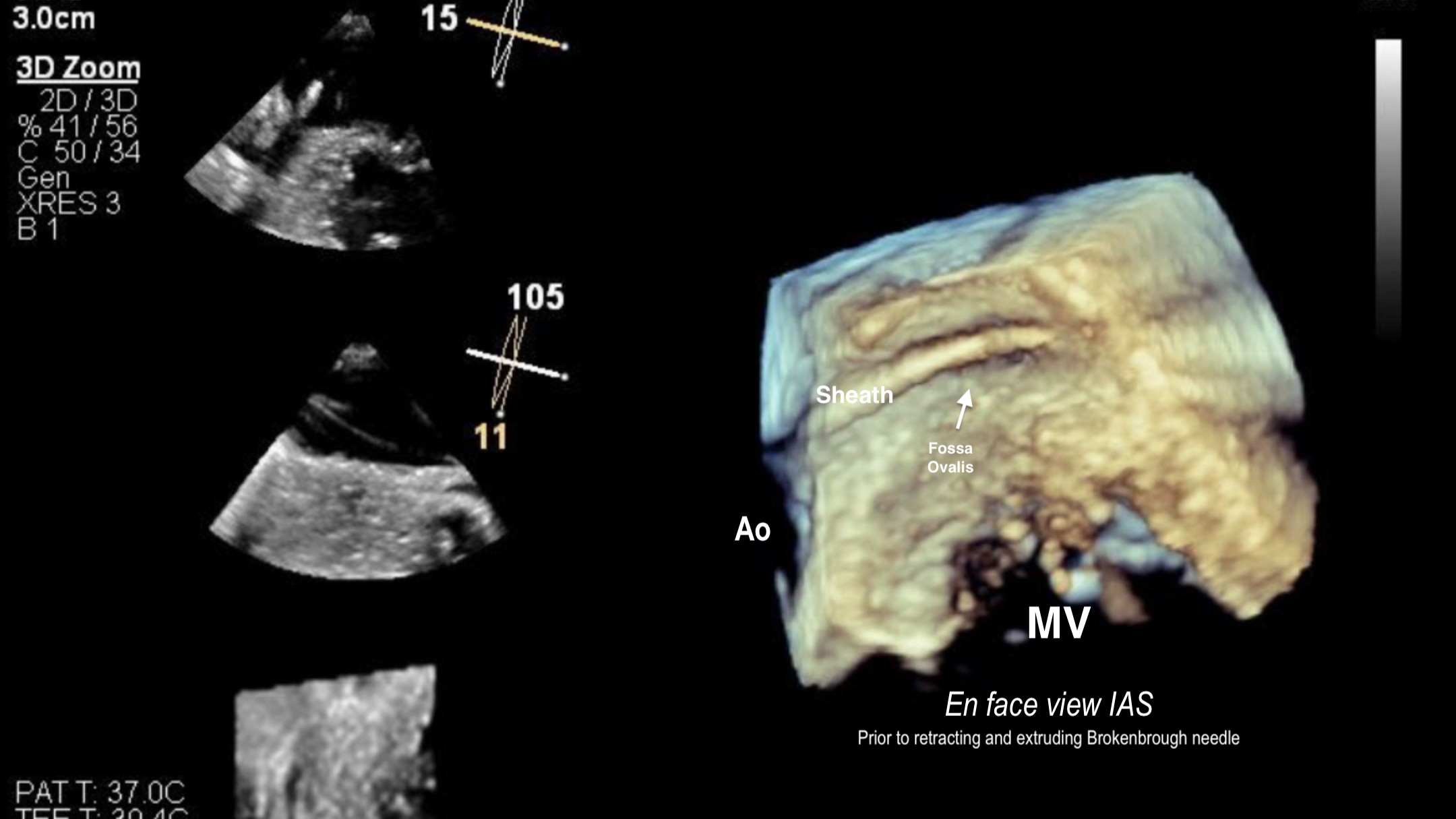
Left atrial decompression is an advanced, minimally invasive procedure for select dogs with severe heart disease and congestive heart failure that remains difficult to control with medication. Using specialized catheters and heart imaging, a small opening is created between the heart's upper chambers. This allows pressure to be relieved from the left atrium, helping reduce fluid buildup in the lungs. The goal is to improve comfort, reduce episodes of congestive heart failure, and potentially decrease the need for repeated hospitalizations in carefully selected patients.
Performed at:
Balloon Valvuloplasty
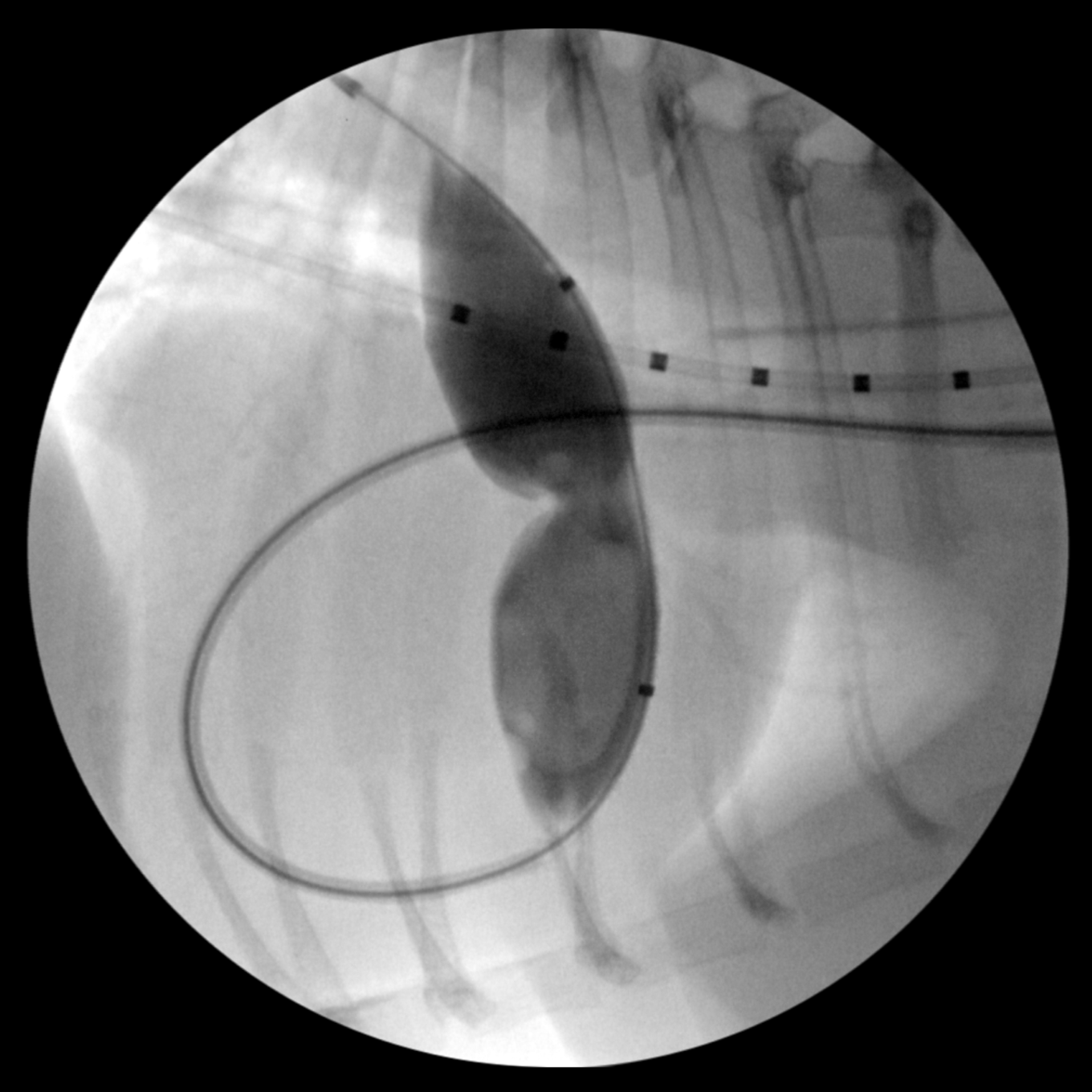
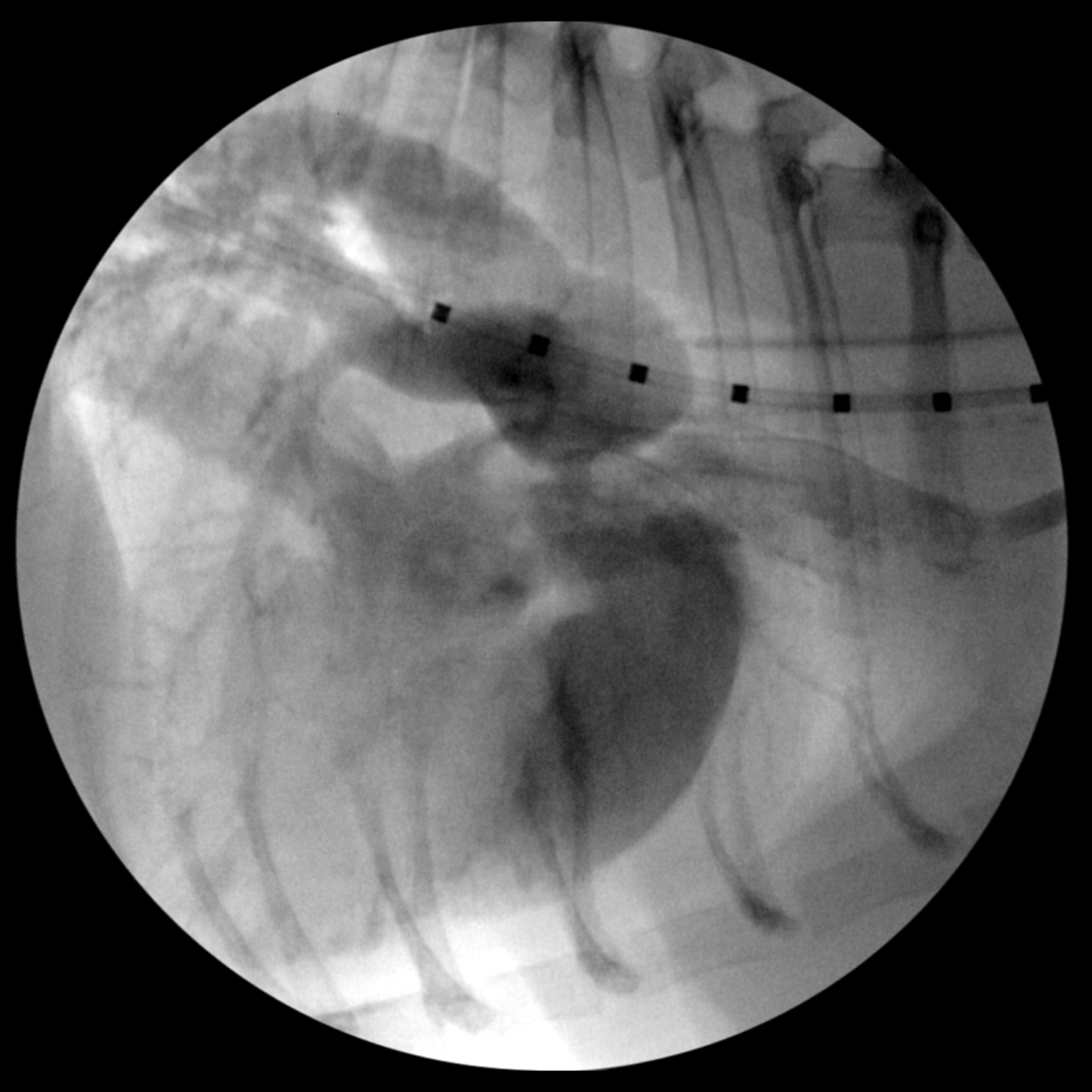
Balloon valvuloplasty is a minimally invasive procedure used to treat certain congenital heart valve abnormalities, most commonly pulmonic stenosis. In pets with this condition, a narrowed valve makes it difficult for blood to leave the heart normally. During the procedure, a catheter with a specialized balloon is guided through a blood vessel and across the narrowed valve. The balloon is briefly inflated to widen the opening, reduce pressure on the heart, and improve blood flow. Many pets experience improved heart function, exercise tolerance, and long-term quality of life.
Performed at:
Richmond, VA — Dr. Ryan Pfeiffer
West Palm Beach, FL — Dr. Paulo Rivera-Otero
Hunt Valley, MD — Dr. Sarah Holdt and Dr. Richard Cober
Knightdale, NC — Dr. Dan Hogan
Wheat Ridge, CO — Dr. Amy Dixon Jimenez and Dr. Ashley Sharpe
Pulmonary Valve Stenting
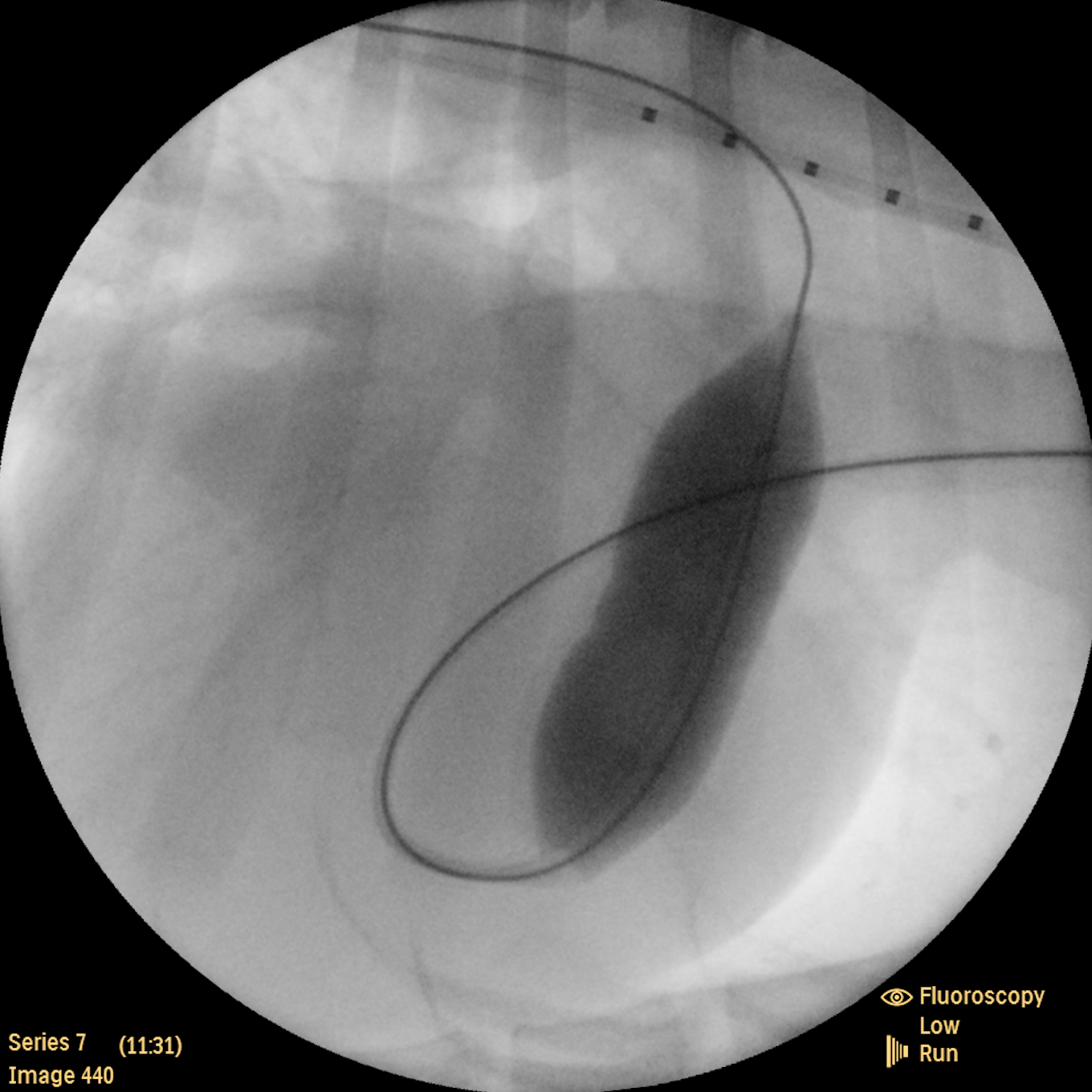
Pulmonary valve stenting is a minimally invasive procedure used in select cases to address abnormalities involving the pulmonary valve. The procedure uses specialized catheter-based techniques to place a stent within the pulmonary valve or outflow tract to improve blood flow.
Performed at:
Hunt Valley, MD — Dr. Sarah Holdt and Dr. Richard Cober
Knightdale, NC — Dr. Dan Hogan
CVCA has performed a limited number of pulmonary valve stenting procedures and evaluates cases individually to determine whether the procedure is appropriate.
Additional Interventional Procedures
Select CVCA doctors also perform additional catheter-based procedures, including atrial septal defect closure, management of portosystemic shunts, angioplasty for caval stenosis, and vascular occlusion for arteriovenous malformations.
Your local CVCA team can help determine whether one of these procedures may be appropriate for your pet and connect you with the nearest facility offering the recommended treatment.
Cookies on this website are used to both support the function and performance of the site, and also for marketing purposes, including personalizing content and tailoring advertising to your interests. To manage marketing cookies on this website, please select the button that indicates your preferences. More information can be found in our privacy policy here.